BEHAVIOUR POLICY

(Including Sanctions, Rewards, and Restraints)

AIMS

  • To define clear and acceptable standards of behaviour based on Islamic values.
  • To ensure a consistent and fair response to both positive and negative behaviours.
  • To develop self-discipline, self-esteem, responsibility, and mutual respect.
  • To ensure the school’s behavioural expectations and strategies are understood by all.
  • To promote an environment that supports focused learning and positive relationships.
  • To involve parents/guardians in implementing and supporting the policy.

STANDARDS OF BEHAVIOUR

We aim to nurture student character based on honesty, respect, empathy, and accountability in line with Islamic teachings. Behaviour is assessed as a developing skill, much like academic performance, where progress is expected over time.

Recognising that children come from diverse backgrounds, we promote a shared standard of conduct rooted in the values of the Qur’an and Sunnah.

SCHOOL ETHOS

Hira Foundation School upholds the values of Islamic manners, punctuality, modest dressing, discipline, and respect for parents, teachers, and fellow students. Our students are expected to demonstrate:

  • Taqwa (God-consciousness) in all aspects of life.
  • Respect for the laws and customs of Pakistan.
  • Good citizenship rooted in Islamic ethics.
  • Personal responsibility in both academic and social spheres.

We are committed to producing well-rounded individuals who serve society positively and reflect the values of both Deen and Dunya.

BEHAVIOUR MANAGEMENT POLICY

  1. Staff must consistently encourage positive academic and social behaviour.
  2. Discipline should balance correction with empathy and support.
  3. Teachers must accommodate diverse learning and behavioural needs in the classroom.
  4. All school members are expected to maintain respectful communication.
  5. Positive reinforcement should be prioritised over punitive measures.
  6. Appropriate rewards include verbal praise, certificates, tuck shop tokens, or class responsibilities.
  7. Rewards must not include cash from individuals; minor monetary incentives must be school-sanctioned.
  8. Intimate or inappropriate physical contact is strictly prohibited.
  9. Deprivation of food, rest, or health needs is never allowed.
  10. Punishments should be relevant and constructive (e.g., completing missed work).
  11. Restriction of parental access should only occur under reasonable disciplinary grounds.
  12. A disruptive child may be removed from class with supervision by appropriate staff.
  13. Detention may be held if required.

REWARD SYSTEM

Monthly Evaluations:

  • Academic Effort & Behaviour
  • Personal Hygiene & Cleanliness
  • Leadership & Social Character

Students may be awarded:

  • Certificates of Excellence
  • Honour roles at assemblies
  • End-of-Year Recognition

CLASSROOM MANAGEMENT

Well-structured classrooms reduce misbehaviour. Lessons must:

  • Be planned with learning goals.
  • Encourage participation from students of all levels.
  • Be inclusive and engaging.
  • Incorporate regular feedback and praise.

A teacher’s tone, layout of the room, and interaction style must reflect encouragement, respect, and high expectations.

REWARDS

Approved forms of reward include:

  • Prizes for high performance or behaviour
  • Recognition in school assemblies
  • Excursions or extra-curricular activity privileges

SANCTIONS

Formal Warning

  • Disrespect toward teachers or peers
  • Repeated disruptive behaviour Result:
  • Written warning to parents
  • Disciplinary meeting with SLT

 Suspension

  • Fighting, bullying, major defiance, escaping campus

Result:

  • Fixed-term suspension

Category 4: Expulsion

  • Smoking, drugs, alcohol, weapons
  • Major threat to school safety
  • Repeated serious offences

Result:

  • Permanent removal from school

SANCTIONS PROCEDURE

  1. Verbal Warning
  2. Written Warning 1
  3. Written Warning 2
  4. Final Written Warning
  5. Suspension
  6. Expulsion (in extreme cases directly)

Community service or school clean-up may be assigned during detention hours.

CLASSROOM SANCTIONS

  1. Verbal Warning
  2. Name on Board
  3. Break Time Detention
  4. Issue a Formal Strike

BOARDING SANCTIONS (IF APPLICABLE)

  • Minor offences: warnings or supervised reflection time.
  • Major offences: may result in separation from peers, report to parents, or boarding suspension.


MOBILE PHONES & CONFISCATION

Hira Foundation School enforces a strict no mobile phone policy. Confiscated phones or items banned by school rules will not be returned. This policy is agreed upon during admission.

RESTRAINT POLICY (BASED ON PAKISTAN’S CHILD PROTECTION LAW)

Physical restraint is a last resort. It may only be used when necessary to:

  • Prevent harm to self or others
  • Stop serious property damage
  • Break up violent confrontations Restraint must:
  • Be minimum and proportionate
  • Never involve hitting, choking, pain, or humiliation
  • Never be used as punishment

Staff must remain calm and seek help from senior staff when possible.

RECORDING INCIDENTS

When restraint is used, staff must:

  • Submit a written report including: o Date/time/location o Names of all involved o Reason for restraint o Description of the incident o Witness names o Any injuries or damage

SEARCHING

Authorised staff may conduct a search only with just cause and in line with:

  • School safety protocols
  • Legal rights under Pakistani law

Prohibited items include:

  • Weapons, drugs, alcohol, tobacco, fireworks
  • Pornographic content
  • Mobile phones or tech not allowed by school Search Requirements:
  • Must be conducted by staff of the same gender
  • A witness must be present
  • Student dignity must be preserved

TRAINING AND SAFEGUARDING

Staff will receive training in:

  • Positive behaviour management
  • Non-violent conflict resolution
  • Legal rights and child protection
  • Restraint and de-escalation techniques

CHILD PROTECTION CODE OF CONDUCT POLICY

All Hira Foundation staff and teachers need to comply with the Child Protection Code of Conduct Policy.

ALWAYS

  • Teach all children with equality and equity
  • Listen to and respect children so each child feels heard as well as understood
  • Involve children equally in all curricular and co-curricular activities
  • Provide a protective cover to the children, especially in high-risk or vulnerable situations
  • Ensure that the children create a sense of belongingness and feel included in the group
  • Dress appropriately and modestly in the presence of children
  • Use appropriate language that is positive and motivational
  • Display decent etiquette and mannerisms
  • Be accountable for actions and of those around for the establishment of a safe environment
  • Report any kind of untoward or unruly behaviour that potentially endangers the life of a child
  • Provide the facility of a counsellor so that the physical, emotional, and social issues are addressed constructively
  • Monitor and supervise children on school excursions with the necessary checklist and protocols to be maintained
  • To direct or diffuse anti-social elements, academic dishonesty, or bullying behaviour towards the concerned school authorities and parents

NEVER

  • Pressurize the child to divulge intimate information
  • Coerce the child to remain alone in the classroom
  • Offer a ride alone to the child without the parent’s permission
  • Force the child into high-risk or unsafe scenarios
  • Make the child go alone in secluded, far off or unsafe areas.
  • Make the child complete tasks outside the school gates without supervision
  • Expose the child to violent or vulgar images/videos
  • Take questionable pictures of the child
  • Call the child alone to home for work completion
  • Charge the parent extra for guidance
  • Lie to the parent about their child’s behaviour
  • Hide the facts about the child from the parent which could potentially be detrimental later on Indulge in favouritism
  • Coax or facilitate the child in cheating
  • Encourage disruptive or unethical behaviour
  • Physically or verbally abuse
  • Hit, slap or pull the child forcibly
  • Exploit the child through blame, embarrassment or guilt
  • Involve in a sexual relationship
  • Invade privacy through personal contacts and social media
  • Make friendship outside the school
  • Turn the child into a servant by delegating personal tasks
  • Let any allegations unreported without following the Complaint policy


This Child Protection Code of Conduct Policy indicates the way the staff and teachers need to act to provide a safe and secure children.

SAFEGUARDING AND CHILD PROTECTION POLICY

(Aligned with National and Provincial Regulations in Pakistan)

INTRODUCTION

Hira Foundation School (HFS) fully recognises its religious, moral, and legal responsibility to protect and safeguard all students from harm. In accordance with our Islamic values and national child protection frameworks, safeguarding is a priority in ensuring the well-being, dignity, and holistic development of every child under our care.

Safeguarding and promoting the welfare of children means:

  • Providing timely support to address issues as soon as they arise,
  • Protecting children from abuse, exploitation, and neglect—whether at home, school, online, or in the community,
  • Preventing harm to children’s physical and mental health and development,
  • Ensuring safe, nurturing environments that allow all children to thrive,
  • Taking appropriate action to secure the best possible outcomes for every child.


POLICY STATEMENT

Hira Foundation School upholds an environment rooted in respect, Islamic ethics, mutual cooperation, and care for each child’s individual needs. Our policy supports the core values of compassion, justice, and personal accountability, drawing from both Shariah principles and statutory requirements under Pakistani law.

HFS welcomes students irrespective of socio-economic status, or ethnicity. 

This policy applies to:

  • Teaching and non-teaching staff,
  • Administration, security, and support personnel,
  • Contractual service providers and volunteers,
  • Visitors and third-party educators,
  • Any adult or youth working on behalf of or under the authority of Hira Foundation School.


POLICY AIMS

The Safeguarding and Child Protection Policy at HFS aims to:

  • Make all stakeholders aware of their role in keeping children safe.
  • Train staff and volunteers to identify and report abuse confidently.
  • Establish clear and confidential procedures for reporting safeguarding concerns.
  • Support children’s emotional, psychological, and physical well-being.
  • Prevent exposure to extremism, violence, harassment, or exploitation.
  • Maintain a secure learning environment aligned with Islamic adab (ethics).
  • Collaborate with local welfare agencies, child protection units, and law enforcement authorities where required.


We are committed to nurturing a positive and vigilant culture, where staff maintain the mindset: “It could happen here.”


IMPLEMENTATION AND MONITORING

Safeguarding is achieved through:

  1. Education & Curriculum:


Through our Tarbiyah-infused curriculum, students are taught to understand personal boundaries, respect others, and report misconduct or abuse. Lessons within Islamic Studies, Character Building, and Computer classes address topics like digital safety, bullying, and emotional awareness. b. Safer Recruitment:

All staff appointments are made after:

  • Background checks (Police Verification, if required),
  • Reference verification,
  • Interview screenings for ethical conduct,
  • Compliance with HFS’s Islamic code of conduct and child protection clause.


RAISING AWARENESS AMONG STUDENTS

At Hira Foundation School (HFS), we foster an environment of open communication where students feel respected, heard, and empowered. We integrate Islamic Tarbiyah (character building) with modern child protection practices to help our students make informed, morally guided decisions and recognize harmful or inappropriate behaviours.

  • Students are regularly guided on topics like personal boundaries, peer pressure, bullying, online safety, and recognizing abuse.
  • Sessions on mutual respect, emotional intelligence, and empathy are embedded in both the PSHE curriculum and Islamic Studies.
  • Students are informed about trusted adults (teachers, school counsellors, and class mentors) they can speak to regarding any concern.
  • The school designates a Tarbiyah Coordinator available for confidential student concerns. Contact details are displayed in school corridors and common areas.


CHILDREN WITH WELFARE OR PROTECTION NEEDS

Some students may face abuse, trauma, or complex family challenges that impact their safety, behaviour, or academic progress.

  • Taebiyah coordinator will identify and support such students with early intervention and individual welfare plans.
  • Where necessary, HFS will liaise with:

o Social Welfare Departments (e.g., Child Protection Unit Sindh), o Child Protection Officers at Police Stations, o Local NGOs, shelters, and helplines like Madadgar.


STUDENTS NEEDING MENTAL HEALTH SUPPORT

Mental health is integral to the well-being of our learners. Emotional or behavioural changes may indicate abuse, bullying, neglect, or digital exploitation.

HFS has:

  • A trained School Counselor/Psychologist for mental health referrals,
  • A confidential referral process (via teachers or self-request),
  • Protocols for urgent cases involving trauma, self-harm, or suicidal behaviour,
  • Partnerships with external mental health NGOs, Islamic counselors, and clinics as needed.

Staff are trained to spot signs such as anxiety, withdrawal, aggression, or absenteeism, and refer promptly to the counseling team.


SAFER RECRUITMENT PRACTICES

HFS strictly follows safer recruitment protocols to protect students from exploitation or harm.

Recruitment Includes:

  • Police Character Certificate verification (local or district level),
  • Original CNIC/Family Registration Certificate checks,
  • Reference checks from past employers (at least 2),
  • Face-to-face interview covering Islamic values, ethical conduct, and child safety awareness, Signed declaration of agreement to follow HFS’s Code of Conduct and Safeguarding Policy.


No staff (teaching or non-teaching) can begin duties until full clearance is granted.

TRANSPARENCY AND WHISTLEBLOWING

Hira Foundation School fosters a culture of accountability, Islamic integrity (Amanah), and open reporting.

  • Staff, students, and parents are encouraged to report concerns about:
    • Unsafe behaviour by adults or peers, o Potential breaches of safeguarding or school ethics, o Negligence in supervision or record keeping.
  • Reports can be made to:
    • The Head of Section o The Principal/Academic Head

All concerns will be handled confidentially and without fear of retaliation.

Anonymous whistleblowing is allowed through written or digital reporting options.

In serious cases involving negligence or cover-up by senior staff, reports may be directed to:

  • School Management


INTERACTION WITH STUDENTS: STAFF CODE OF CONDUCT

During induction and annual reviews:

  • Staff are trained on boundaries, respectful behaviour, and avoiding situations that may be misunderstood.
  • Guidance is provided on handling sensitive situations, including reporting mechanisms and consultation with the Tarbiyah Department.

All staff must:

  • Take responsibility for their actions and avoid behaviour that may be misinterpreted.
  • Act openly, transparently, and consistently with Islamic and professional standards.
  • Keep written records of incidents or concerns.
  • Follow legal and institutional frameworks at all times.


FIRST AID  

  • Only trained first-aiders may administer first aid, except in emergencies.
  • All incidents are logged and shared with parents/guardians when needed.


WHAT IS SAFEGUARDING AND CHILD PROTECTION

Safeguarding at Hira Foundation School refers to all the policies and practices we implement to ensure the safety, health, and well-being of every student. It includes protection from abuse, harm, neglect, exploitation, and dangerous ideologies or environments.


It is our duty to protect children from:

  • Physical, emotional, or sexual abuse
  • Neglect and maltreatment
  • Child exploitation (labor, trafficking, harassment)
  • Harmful online content or cyber grooming
  • Radicalization, sectarianism, or hate-based ideologies
  • Violence or harmful peer influences


This includes protecting students from threats arising from within the family, school, society, or digital platforms.


DEFINITION OF CHILD ABUSE

Child abuse occurs when a child is harmed by another person—adult or child—through physical, emotional, or sexual mistreatment, exploitation, neglect, or exposure to harm. This may occur at home, in the community, in an institution, or online.

Child abuse includes but is not limited to:

  • Physical abuse
  • Emotional abuse
  • Sexual abuse
  • Neglect
  • Domestic violence exposure
  • Bullying and cyberbullying
  • Radicalization and online harm


Note: Children may suffer from multiple forms of abuse simultaneously.


 TYPES OF ABUSE

  1. Physical Abuse

Deliberate infliction of pain or injury such as hitting, burning, shaking, or poisoning.

Warning Signs:

  • Unexplained bruises or injuries
  • Repeated injuries in a pattern (e.g. belt marks)
  • Burns, fractures, or bite marks
  • Flinching, fearfulness, or withdrawal
  • Fear of going home or avoiding certain people


  1. Emotional Abuse

Consistent rejection, humiliation, intimidation, isolation, or verbal harm affecting a child’s emotional development.

Warning Signs:

  • Frequent sadness, low self-esteem
  • Excessive need for approval or withdrawal
  • Delays in development or social skills
  • Fearfulness or hyper-compliant behaviour
  • Emotional over-dependence or aggression


  1. Sexual Abuse

Any sexual activity involving a child, including inappropriate touching, grooming, exploitation, and digital sexual abuse.

Warning Signs:

  • Inappropriate sexual knowledge or behaviour
  • Genital pain, bleeding, or discharge
  • Bedwetting, nightmares, anxiety
  • Sudden behavioural shifts or depression
  • Possession of unexplained gifts or money
  • Avoidance of school or physical contact


Note: Both males and females can be perpetrators. Abuse may be in-person or online.

  1. Neglect

Persistent failure to meet a child’s basic physical, emotional, medical, or educational needs.

Warning Signs:

  • Constant hunger or malnutrition
  • Dirty clothing, poor hygiene
  • Unsupervised or exposed to danger
  • Medical needs left untreated
  • Frequent school absence or late pickups


  1. Harmful Online Conduct & Radicalization

Children may be manipulated through social media, gaming, or messaging apps to adopt:

  • Extremist beliefs (religious, political, sectarian),
  • Participate in violence, hate speech, or harmful online groups,
  • Engage in cybercrime, harassment, or sexting.


STAFF AWARENESS

All HFS staff are trained on:

  • Types of abuse and warning signs
  • Reporting and record-keeping procedures
  • Child sexual exploitation and grooming indicators
  • The role of online safety and radicalization awareness
  • Cultural and gender-specific risks in Pakistani society


SERIOUS VIOLENCE AND GANG INVOLVEMENT

At Hira Foundation School, we recognize the rising risk of serious violence affecting children both inside and outside school, especially in urban settings.

Staff must be alert to warning signs including:

  • Increased absenteeism or truancy
  • Unexplained injuries or signs of assault
  • Possession of new items (e.g., mobile phones, branded clothes, cash)
  • Sudden drop in academic performance
  • Association with older peer groups or strangers
  • Emotional distress, self-harm, or aggression


CHILD-ON-CHILD ABUSE

Child-on-child abuse is taken very seriously at HFS. It includes:

  • Bullying (in-person or cyber)
  • Physical aggression (hitting, biting, hair-pulling, etc.)
  • Sexual harassment or inappropriate touching
  • Hazing, intimidation, or humiliating rituals

Staff must never dismiss such incidents as “normal” behaviour or “just banter.” Immediate Action Protocol:

  • Secure both the alleged victim and perpetrator safely and separately
  • Begin documentation and investigation
  • Inform parents/guardians as per school policy
  • Involve police or social welfare authorities when required

Note: Staff must use non-judgmental, sensitive language and ensure victims feel heard and protected.


KNIFE POSSESSION / WEAPON RISK

Possession of knives or dangerous items is strictly prohibited.

Three categories of knife-carrying may arise:

  1. Children recruited into criminal groups or gangs
  2. Children seeking protection or influenced by social media
  3. Children innocently carrying tools (e.g., gifted items)
  1. Regardless of motive, staff will:
    • Confiscate the item
    • Immediately report to the Section Head/Lead
    • Notify local police (if threat is serious)
    • Assess whether expulsion, suspension, or referral to external agencies is needed


DOMESTIC VIOLENCE AND ITS IMPACT ON STUDENTS

Domestic abuse includes physical, emotional, sexual, psychological, and financial abuse between intimate partners or family members.

Children may suffer by:

  • Witnessing violent incidents at home
  • Being used to threaten or manipulate a parent
  • Suffering from depression, PTSD, or anxiety

Staff must be trained to recognize:

  • Sudden drop in confidence or performance
  • Fear of going home
  • Aggression or withdrawal
  • Absenteeism or running away from home

If abuse is suspected:

  • The Section Head will engage child protection protocols
  • Provide emotional counselling support at school


 STUDENT SEARCHES AND LEGAL RIGHTS

In line with local law and ethical Islamic values, HFS ensures that any student search or police investigation is carried out with:

  • Parental involvement
  • The presence of a trusted adult / appropriate adult
  • Transparency and safeguarding at every stage

If police are called:

  • The Section Head ensures the student’s rights are protected
  • School staff remain present during questioning
  • Searches are conducted respectfully, preserving student dignity


MENTAL HEALTH AND EMOTIONAL WELLBEING

At Hira Foundation School, we recognize that mental health and safeguarding are closely linked. Children experiencing trauma, neglect, violence, or abuse may show signs of:

  • Anxiety, depression, or withdrawal
  • Anger or violent behavior
  • School avoidance or academic decline
  • Self-harm or suicidal thoughts Staff Role:
  • Observe and document behavior changes
  • Refer cases of concerned Section Head
  • Avoid diagnosing — only licensed professionals may assess mental illness
  • Work with psychologists, counselors, psychiatrists, and child welfare services to support the child


PREJUDICE-RELATED BEHAVIOUR

We define prejudice-related bullying as any conduct that causes exclusion, intimidation, or emotional harm due to:

  • Religion or sect
  • Ethnicity or language
  • Gender or gender identity
  • Socio-economic background
  • Disability or learning differences

Such behavior is unacceptable in our Islamic values-based school environment. Disciplinary and counselling action will be taken under the Behaviour and Safeguarding Policy.

Islamic Perspective:

Our Prophet ﷺ emphasized modesty and safeguarding personal boundaries. Harassment is a serious violation of Shariah and school rules.

School Response:

  • Staff must not downplay behavior as “banter”
  • Reports must be taken seriously and acted on promptly


 RESPONDING TO VICTIMS OF ABUSE

  • Respecting the Victim’s Process: Victims may disclose abuse gradually. Staff must keep communication open, show empathy, and avoid pressuring the child for immediate details.
  • Trusted Adult Support: Victims will be offered a trusted adult (e.g. Tarbiyah Coordinator) of their own choice, wherever reasonably possible. This adult will serve as a confidential support person throughout the process.
  • Trauma-Sensitive Environment: Victims may struggle with normal classroom settings. Hira Foundation will:
    • Avoid isolating victims from friends or peers.


  • Provide optional withdrawal spaces for privacy or emotional recovery.
  • Respect requests for reduced academic load or schedule changes if these arise from trauma.
  • Long-Term Support & Referral: Where necessary, we will work closely with:
    • Child Protection Units, local police, or social welfare departments. o Trauma counselors or Islamic therapists, as available.
    • Parents/guardians, while respecting confidentiality and the child’s emotional readiness.
  • Bullying Protection: The school will ensure victims are protected from peer bullying, mocking, or retaliation. Any such behavior will result in disciplinary action as per the school’s behavior policy.
  • Alternate Provision: If a student cannot cope within the school environment despite support:
    • Alternate schooling or distance education may be arranged with full consent of the student and parents.
    • The school remains responsible for the child’s safeguarding during this transition.
    • The DSL will liaise with the receiving institution to transfer child protection files securely and responsibly.


 SAFEGUARDING & SUPPORTING ALLEGED PERPETRATORS (CHILDREN)

  • Balanced Safeguarding: The school recognizes its dual responsibility:
    • To protect the victim and school community.
    • To ensure the alleged perpetrator receives due process, education, counseling, and spiritual/moral rehabilitation.
  • Case-by-Case Approach: Each case will be handled individually, considering:
    • The child’s age, developmental maturity, and emotional wellbeing. o The nature, context, and frequency of the harmful sexual behavior (HSB). o Guidance from police, social services, or trauma counselors if needed.
  • Understanding Root Causes: Many perpetrators are also survivors of abuse. Support may include:
    • Trauma counseling o Faith-based mentorship o Behaviour therapy and self-regulation skills o Structured Islamic character-building programs (Akhlaq and Adab)
  • Continued Access to Education: Unless removal is deemed necessary for safety, the child will remain enrolled under a Safeguarding Support Plan. Exclusion (if ever needed) must be:
    • Lawful and documented o Approved by the Head and DSL jointly o Accompanied by a reintegration or alternative education strategy
  • Onward Transfers: If a perpetrator transfers schools:
    • The DSL will inform the new institution (within data protection boundaries).
    • All safeguarding documents will be confidentially transferred.


 SUPPORTING VICTIMS IN THE CLASSROOM

Teachers play a vital role. Key strategies include:

  • Believe the child: Even if the story seems fragmented.
  • Be emotionally available: Use non-verbal cues, avoid interrogating.
  • Avoid blame: Victims must never be held responsible.
  • Foster self-esteem: Recognize strengths, give affirmations like:
    • “You are brave.” o “You’re not alone here.”


  • “You matter to us.”
  • Build identity: Offer art, journaling, nasihat circles, Islamic stories.
  • Teach social skills: Encourage peer interaction in safe settings.
  • Include the child: Don’t let them feel “different” or “wrong”.
  • Monitor emotional regulation: Children may act out to regain control.


SUPPORTING CHILD PERPETRATORS

Support may include:

  • Structured counselling sessions
  • Faith-based accountability (Islamic perspective on zina, haya, repentance)
  • Journaling: “What went wrong?” / “What should I do next time?”
  • Victim empathy sessions (age-appropriate)
  • Disciplinary measures (as per behavior policy)

The goal is prevention of future harm while restoring emotional and moral growth.


RECORD KEEPING

  • All incidents must be documented with:

o Summary of concern o Actions taken o Outcomes and follow-ups

  • Files must be securely stored and accessible only to authorized personnel.


 PREVENTATIVE MEASURES IN SCHOOL

Hira Foundation School promotes a “Safe Islamic School Environment” by:

  • Embedding child protection in Islamic Studies
  • Conducting workshops on modesty, respect, bullying, digital safety
  • Facilitating student councils to review rules and suggest safety improvements
  • Making teachers available and approachable without bias
  • Using a strict “No Banter Policy” around gender, body shaming, or harassment


ROLES AND RESPONSIBILITIES

  1. All Staff Responsibilities

All teachers and staff must:

  • Report concerns to the Section Head without delay
  • Watch for signs of abuse, neglect, bullying, or radical behaviour
  • Guide students on personal safety, lawful conduct, and Islamic manners
  • Document all disclosures, concerns, or interventions confidentially
  • Uphold public trust, good character, and appropriate interactions with students

Responsibilities

Tarbiyah Coordinator:

  • Lead all child protection and online safety concerns
  • Maintain case files, contact with agencies, and investigation records


IT Manager:

  • Enforce secure internet use
  • Update firewall, filtering, and monitoring logs
  • Provide alerts on suspicious activity


Teachers and Staff:

  • Model good digital practices
  • Reinforce online safety during lessons
  • Report any suspicion of grooming, abuse, or online risk


Students:

  • Sign and follow the Acceptable Use Policy
  • Report any peer concerns or online issues
  • Participate in online safety workshops


 Commitment to Islamic Values

At Hira Foundation School, all safeguarding practices are guided by the core Islamic values of protection (ظتﺎﻔﺣ), justice (دلﻋ), accountability (تﯾﻟوﺋﺳﻣ) and mercy (تﻣﺣر). Every child is an amanah (trust) upon us, and all staff are expected to uphold these values in every decision made during safeguarding inquiries.


School Complaint Policy and Procedure

At Hira Foundation School, we all work very hard to build positive relationships with all parents. We aim to deal with issues and problems before they become a ‘complaint’. However, there is a clear protocol to follow if necessary, the steps to follow and their outcomes as outlined in this document.

  1. If any parent is unhappy with the education that his/her child is receiving, or have any school- related concerns, we encourage the complainant to talk to the child’s class teacher immediately. There is no doubt that if a concern is shared with the class teacher he/she can either reassure worried parent or devise steps collectively to address the concern. Parents need to be open about sharing their concerns with the class teacher. They are always taken seriously and due consideration is given to reach a mutually agreeable resolution.
  2. We promise to always be fair, open and honest when dealing with any complaint and these are dealt with as swiftly as possible. Our focus is always the child and what is in his/her best interests.


Process

Stage 1

Informal expression of concern made to the school

In the first instance, the matter is discussed with the child’s class teacher. In our experience, most matters of concern are resolved positively in this way with apologies where necessary. Members of the school’s senior leadership are involved at this stage if the need arises.

Stage 2

Discussion with the Coordinator

We expect most complaints to be resolved by this stage. However, if the matter does not get resolved and needs further investigation parents to need to make an appointment with the Coordinator. The Coordinator fully investigates the matter and responds within 2 working days.

Stage 3

Formal complaint to the Section Head

Complaints at this stage are written and received within 10 working days of the Coordinator’s feedback. The letter is addressed to the Section Head and marked “Private and Confidential”. The letter should state the reason of dissatisfaction. The Section Head in due course lets the parent know that the complaint is under investigation. If a meeting with the parent and others involved is considered necessary, the parent is duly intimated. He/She is informed of the outcome of the Section Head’s investigation and decision on what further action would be taken within 3 working days.


Stage 4.

Formal complaint to the Principal

However, if the complaint is not resolved, the complaint can be forwarded to the school Principal within 5 days of the Section Heads’ response.

A parent may make representation to the Principal by taking a prior appointment. The Principal investigates the complaint and a decision is provided within 7 working days where possible.


  1. We resolve complaints at each stage in part of the complaint policy and procedure as written therein. It might be sufficient to acknowledge that the complaint is valid in whole or pulsation, it may be appropriate to offer one or more of the following:
    • An apology;
    • An admission that the situation could have been handled differently or better;
    • Assurance that the event that was the basis of the complaint will not recur;
    • Explanation of the steps that have been taken to ensure it does not happen again. Details of any disciplinary procedures that have taken place as a result of the complaint will not be shared. An undertaking to review school policy or procedure in light of the complaint;
    • An explanation that there is insufficient evidence and thus the complaint cannot be upheld;
    • An explanation that, following an investigation, the evidence does not substantiate the concern.


An admission that the school could have handled things better is not the same as an admission of negligence


We monitor and review while the Principal ensures that all complaints are handled properly. The Section Head logs all stage 2 complaints received by the school and records how these were resolved. These need to be reported as part of the Section Head report to the Principal. The Principal reviews this policy as necessary.
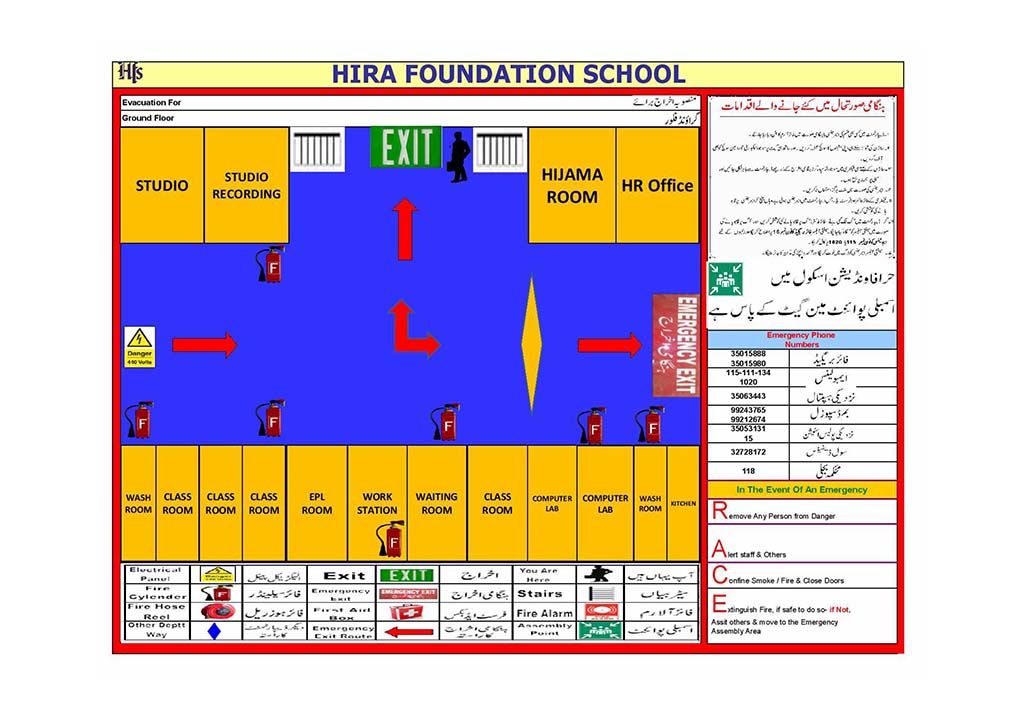
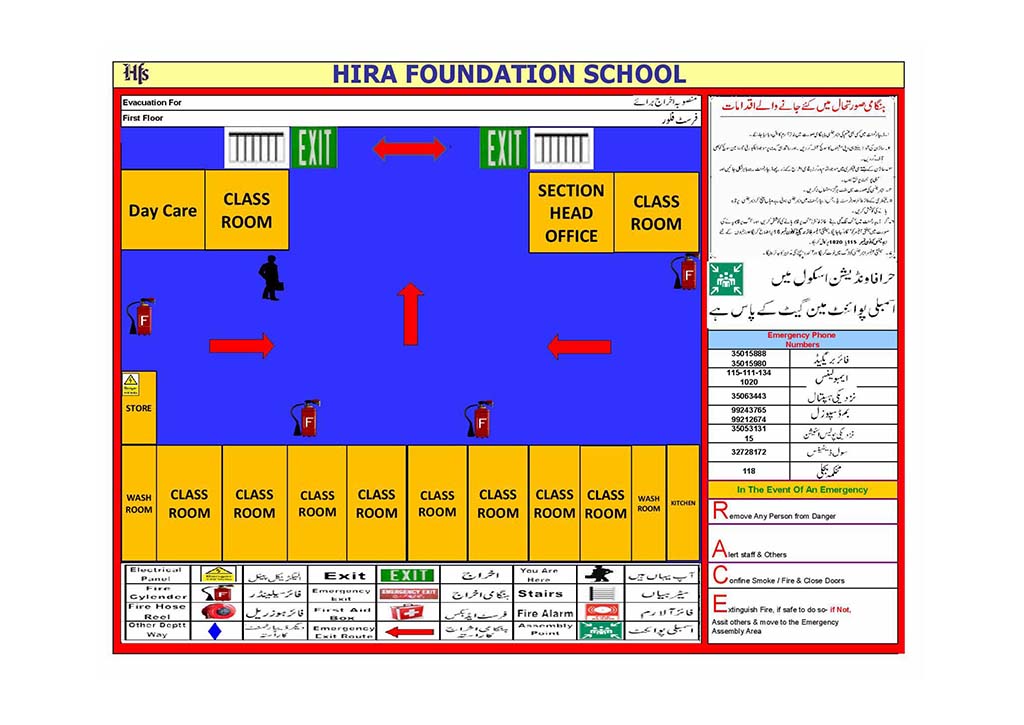
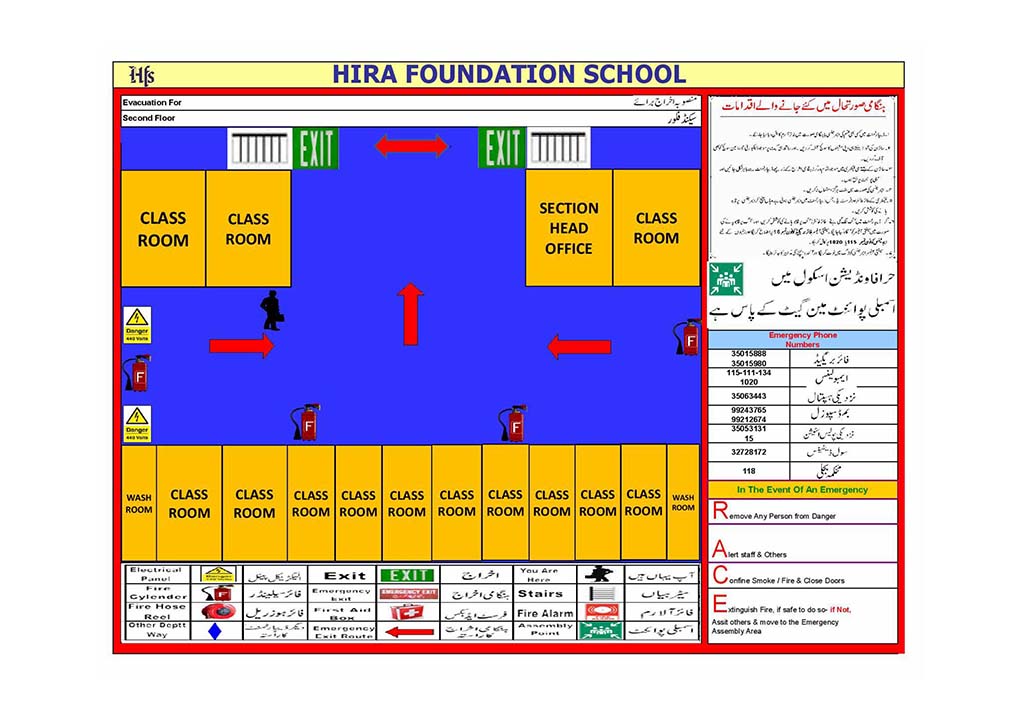
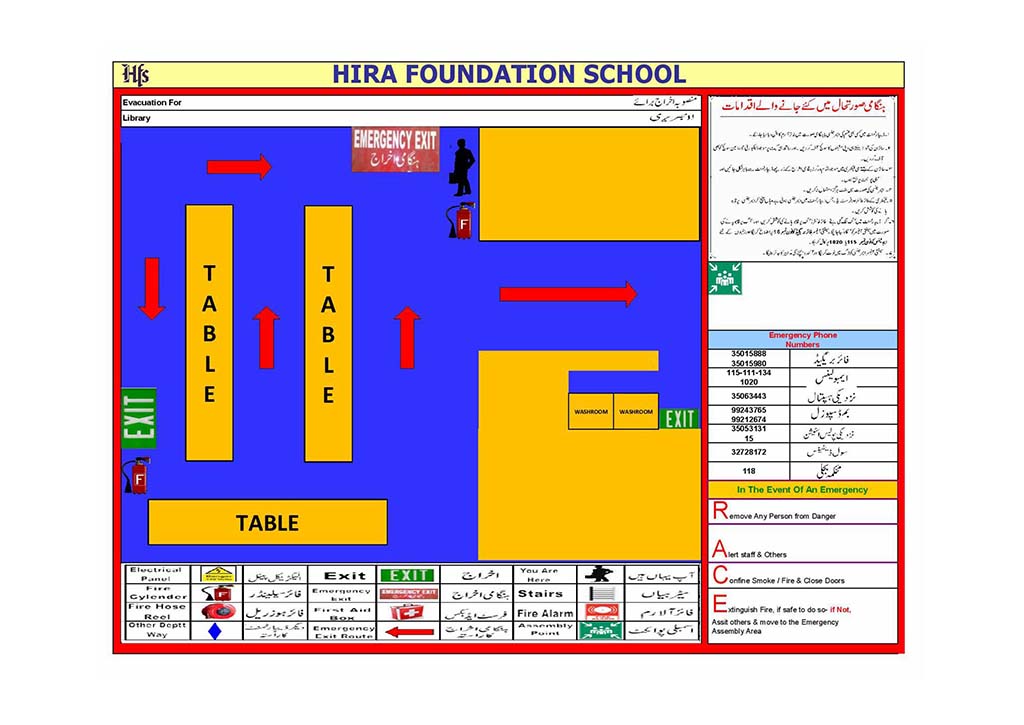
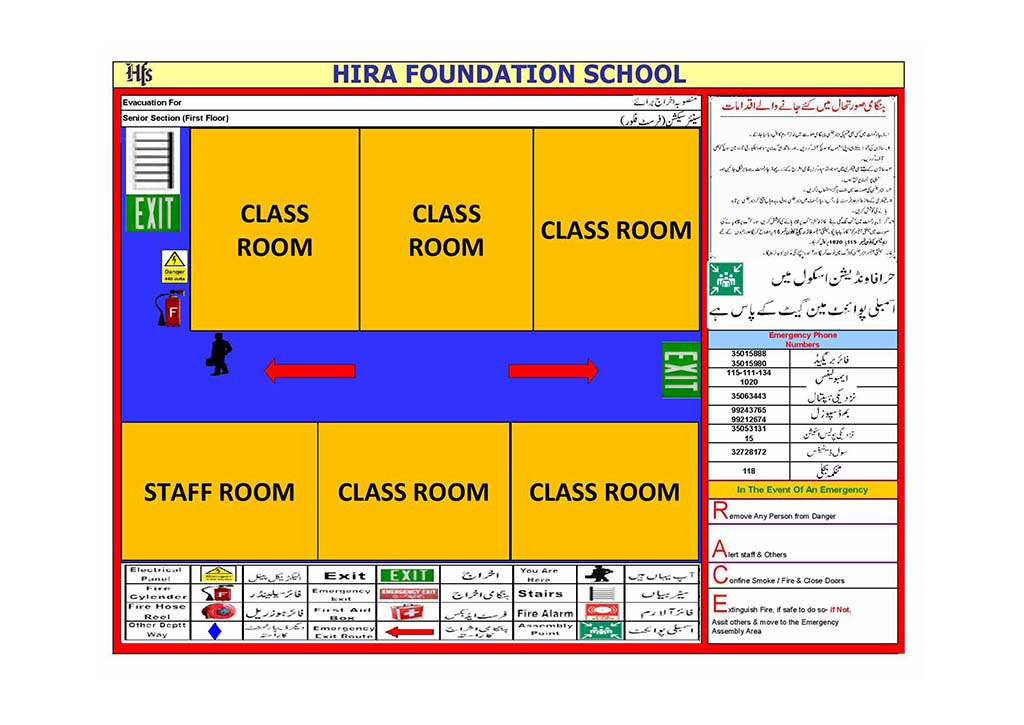
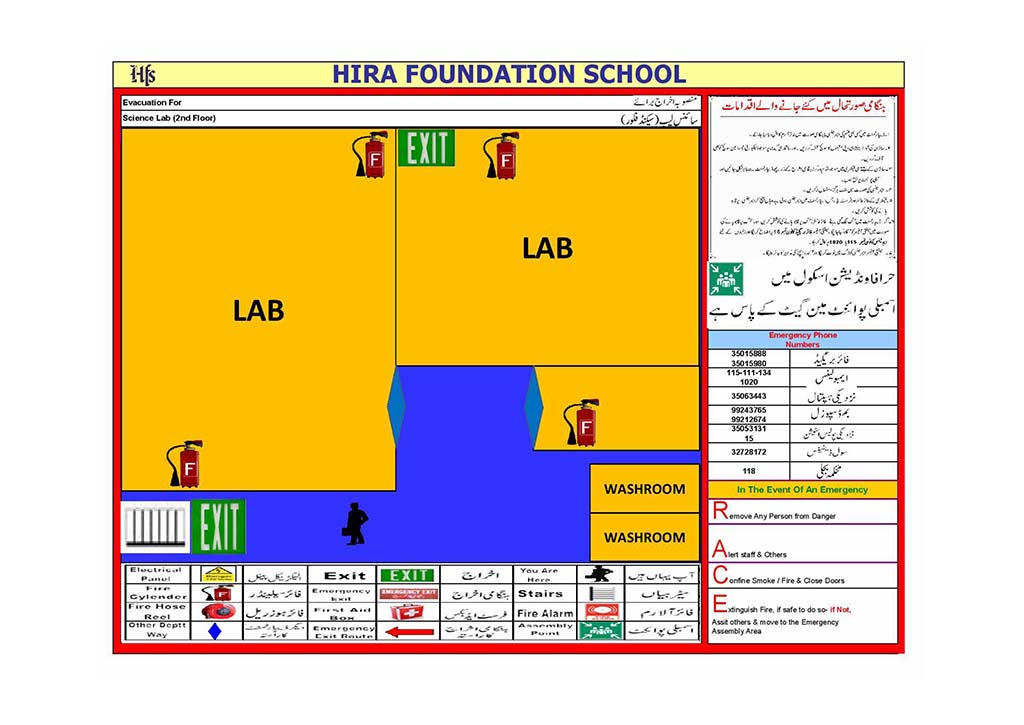
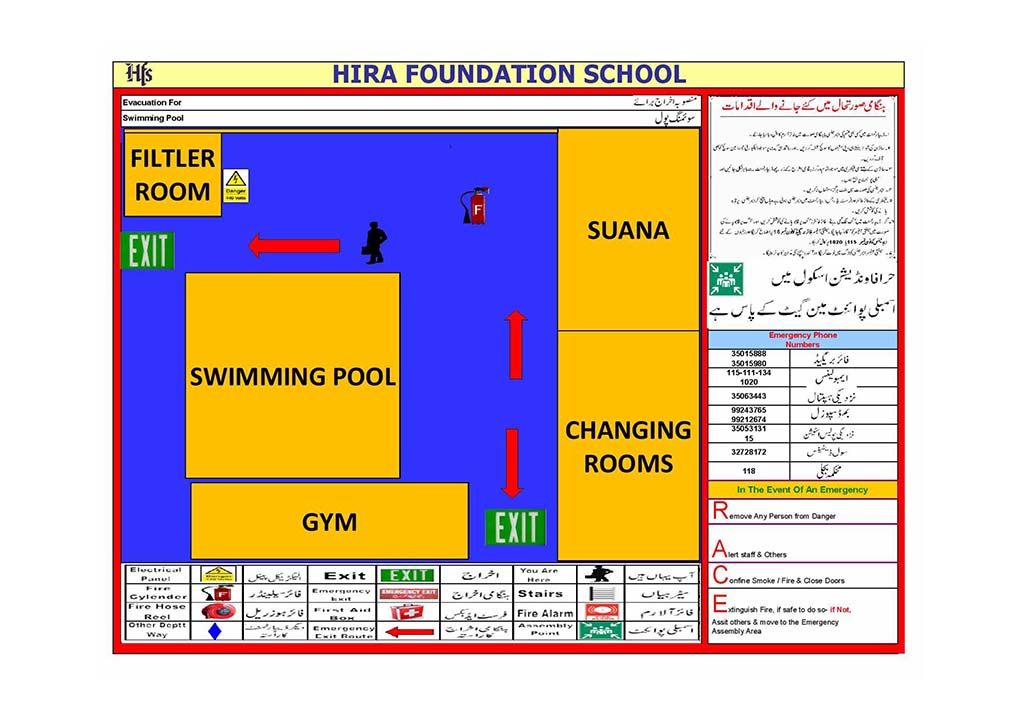
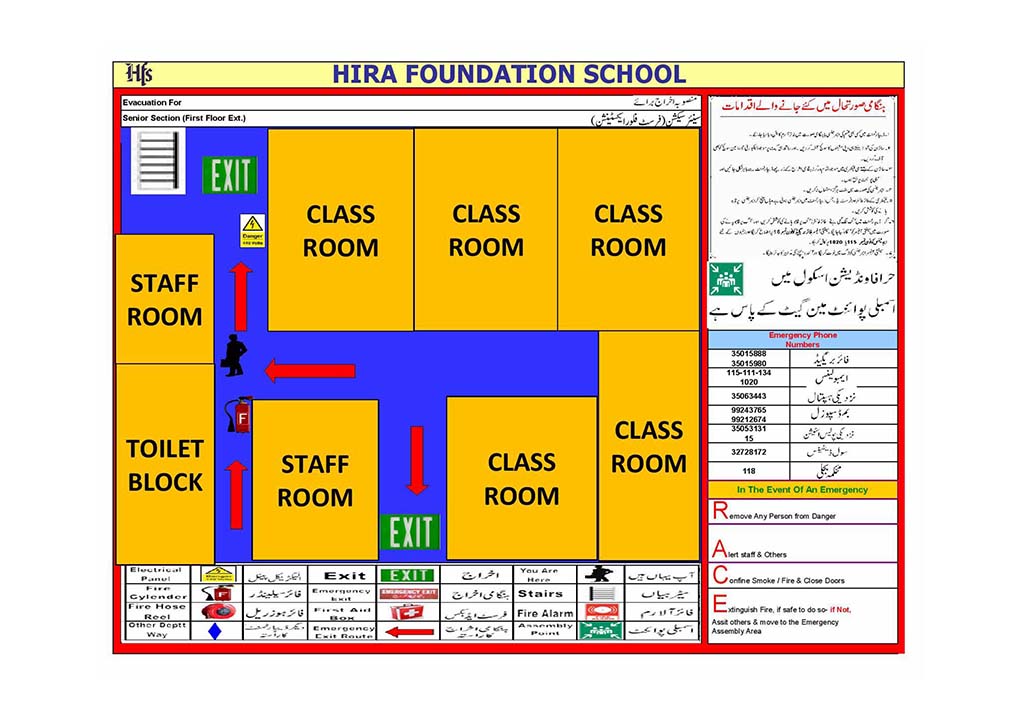
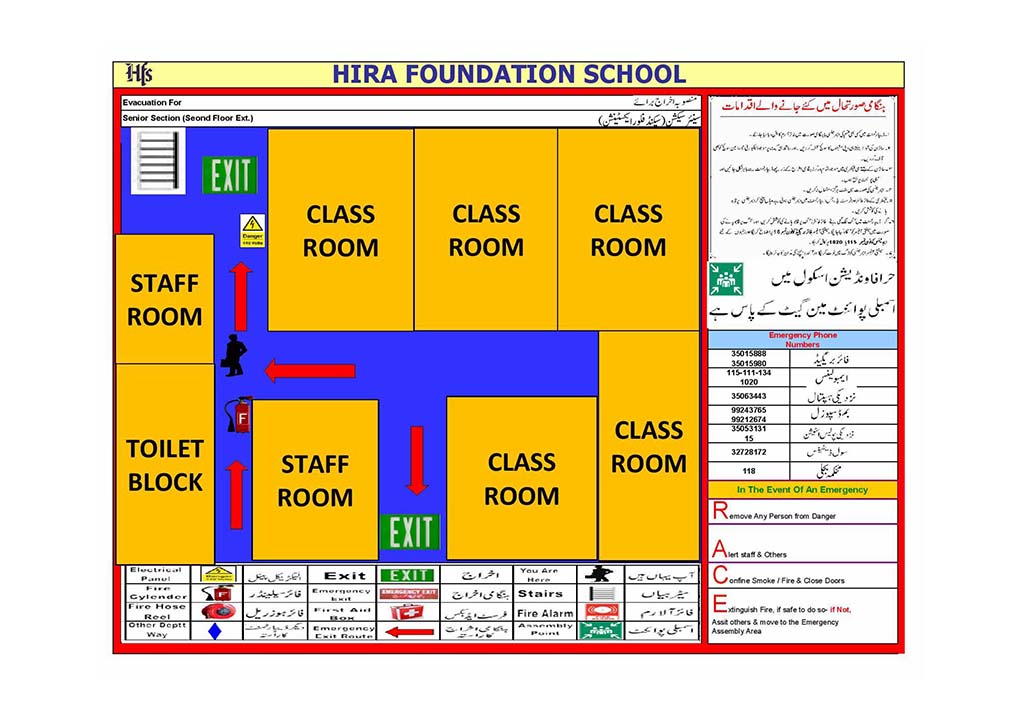
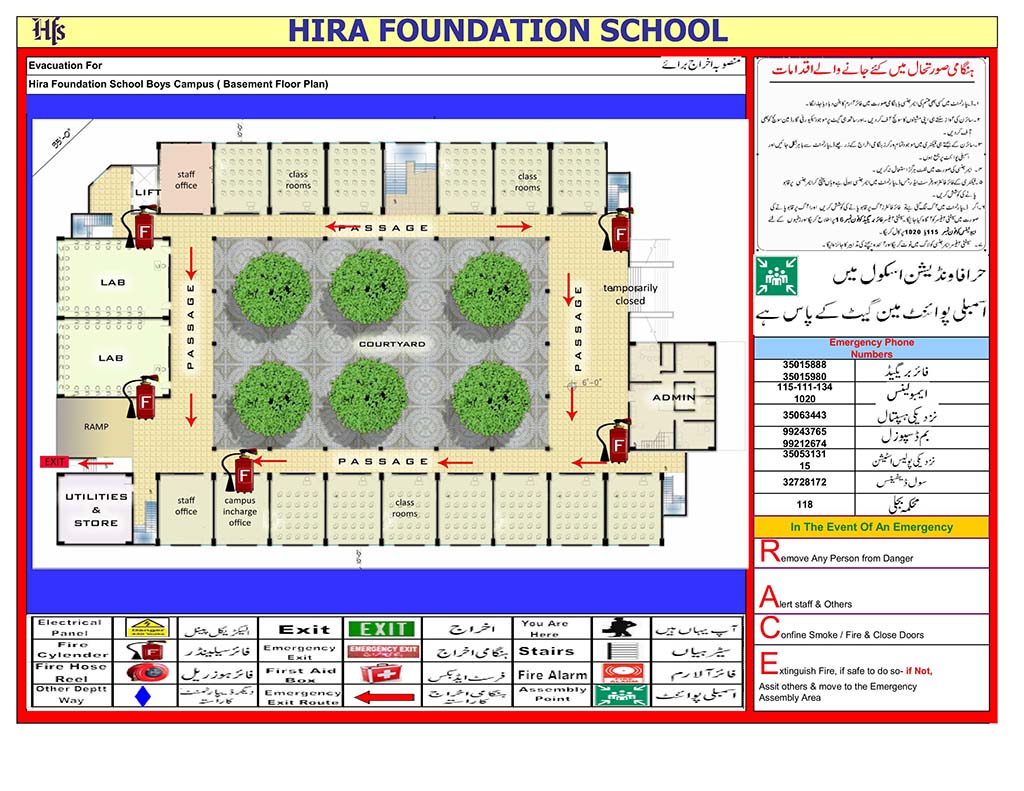
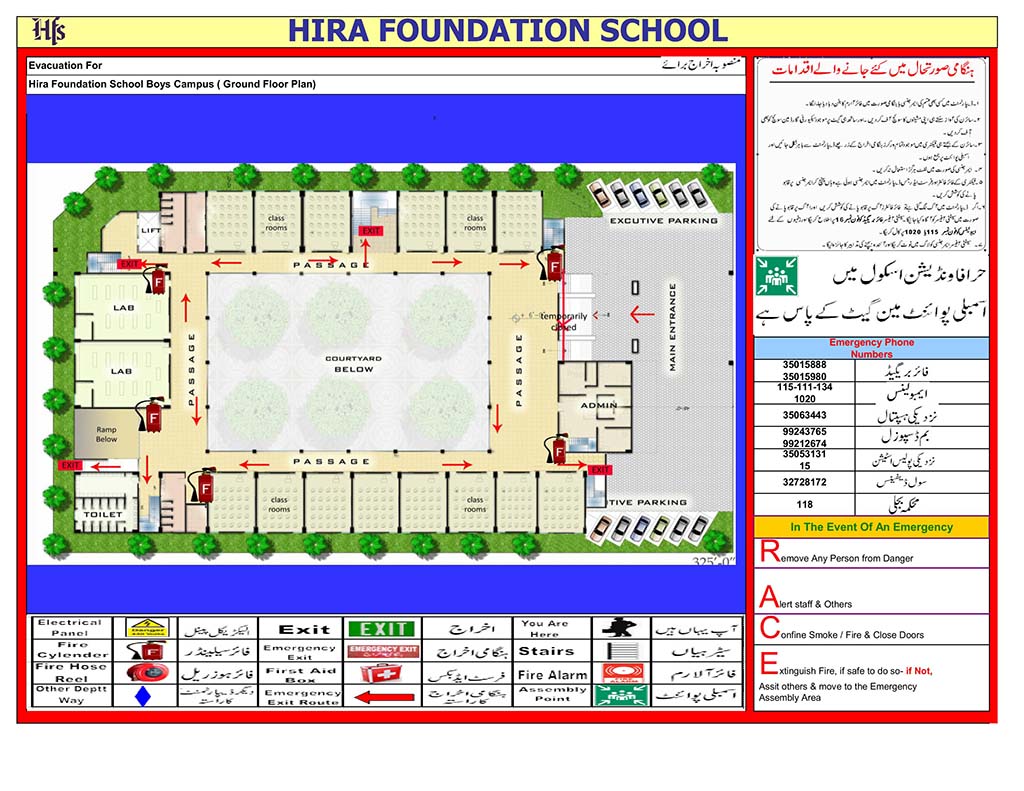
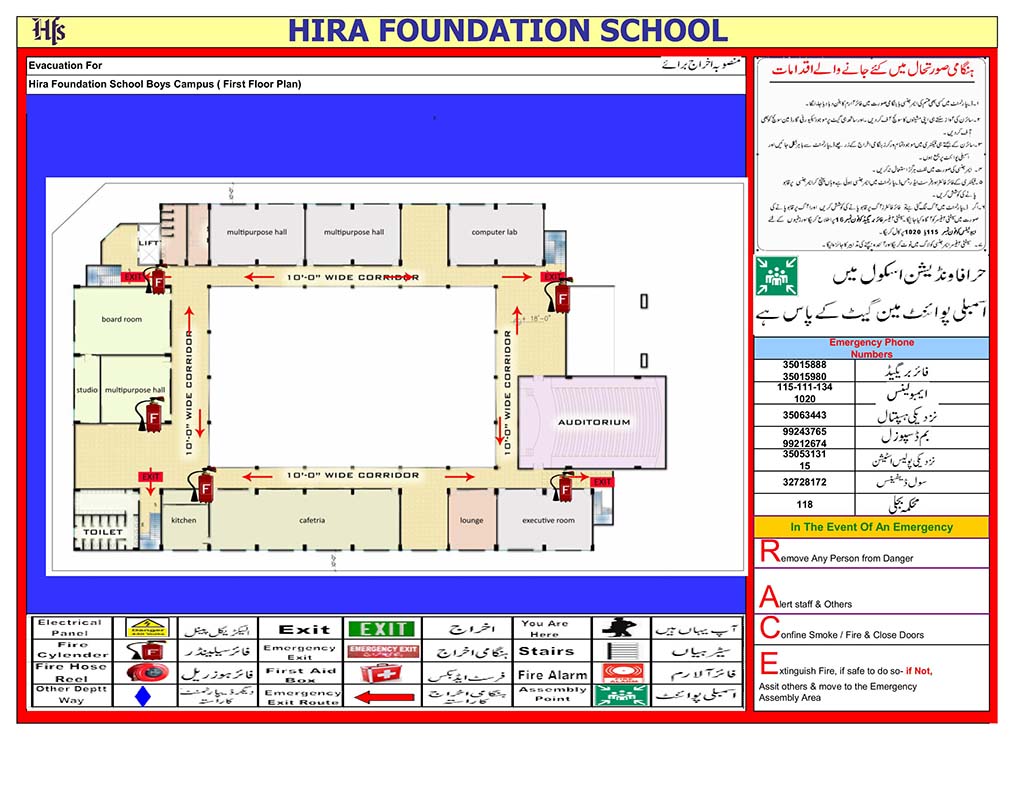
Evacuation Plan